

Ironwork is physically demanding and high risk. Ironworkers may work at heights, around cranes, steel beams, heavy equipment, tools, rigging, welding equipment, and active construction sites. When something goes wrong, the injuries can be serious and life changing.
In British Columbia, an ironworker accident may be covered by WorkSafeBC if the injury happened in the course of employment. This can include sudden accidents, falls, struck-by incidents, lifting injuries, crush injuries, equipment-related injuries, repetitive strain injuries, brain injuries, and psychological injuries after a traumatic workplace event.
Construction remains one of the most injury-heavy sectors in BC. WorkSafeBC reported that from 2021 to 2025, it accepted approximately 38,000 construction claims, including more than 7,400 serious injury claims and 174 fatal claims. WorkSafeBC also reported that musculoskeletal injuries remain the most common injury type in construction, with nearly 11,000 claims caused by overexertion and other bodily motions during that same period.
If you were injured while working as an ironworker, speaking with a WCB lawyer in BC can help you understand your WorkSafeBC claim, your benefits, and whether a decision should be appealed.
Common Ironworker Accidents

Ironworkers may be injured in many different ways. Some accidents happen suddenly, while other injuries develop over time because of the physical demands of the job.
Common ironworker accidents may involve:
- Falls from heights
- Slips, trips, and falls on the same level
- Falling tools, steel, materials, or construction loads
- Being struck by mobile equipment
- Crane, hoist, or rigging incidents
- Structural steel movement or collapse
- Crush injuries
- Welding or burn injuries
- Ladder, scaffold, or lift accidents
- Vehicle or equipment-related incidents
- Repetitive lifting, carrying, gripping, reaching, or overhead work
- Overexertion from heavy materials or awkward positioning
- Traumatic incidents that lead to anxiety, depression, or PTSD
Falls from elevation are a major construction hazard. WorkSafeBC reported that from 2020 to 2024, there were more than 5,400 injury claims in the construction sector from falls from elevation, including almost 1,900 serious injuries and 35 fatalities.
WorkSafeBC also identifies workers being struck by vehicles or mobile equipment as one of the leading causes of serious and fatal workplace injuries, with more than 550 serious injuries and fatalities in the past 10 years involving workers on foot being struck by vehicles or mobile equipment.
Common Injuries After an Ironworker Accident
Ironworker accidents can cause serious physical and psychological injuries. Some injuries are obvious immediately. Others may become worse over time, especially if the worker tries to continue working through pain.
Common injuries may include:
- Head injuries
- Brain injuries and concussions
- Neck injuries
- Back injuries
- Shoulder injuries
- Knee, hip, ankle, or foot injuries
- Wrist, hand, and elbow injuries
- Broken bones
- Crush injuries
- Burns
- Soft tissue injuries
- Spinal injuries
- Chronic pain
- Repetitive strain injuries
- Psychological injuries, including anxiety, depression, or PTSD
A single accident can involve more than one injury. For example, a fall may cause a concussion, neck injury, shoulder injury, back injury, and psychological trauma. It is important to report all symptoms, not only the injury that feels most serious at first.
For more information on head injuries, read our page on WorkSafeBC brain injury claims. If the accident has affected your mental health, you may also want to review our information on WCB mental health claims in BC.
What Should You Do After an Ironworker Accident?
After an ironworker accident, your first priority should be safety and medical care. Once the immediate danger has passed, it is important to report the injury and create a clear record.
Important steps may include:
- Get emergency medical attention if needed
- Report the accident to your supervisor or employer
- Tell your doctor or treatment provider the injury happened at work
- Report the injury to WorkSafeBC
- Keep copies of medical records, forms, emails, and decision letters
- Write down what happened as soon as you can
- Record the date, time, location, and people involved
- Identify witnesses, if possible
- Keep records of symptoms, missed work, modified duties, and treatment
- Follow medical advice and treatment recommendations
WorkSafeBC states that all fatalities and serious injuries must be reported immediately. Certain serious incidents must also be reported through WorkSafeBC’s emergency reporting line, even if no one is hurt.
For more guidance on the first steps after a workplace injury, read our page on what to do if you get injured at work.
When Is an Ironworker Accident Covered by WorkSafeBC?

An ironworker accident may be covered by WorkSafeBC if it happened while you were working or because of your work duties. This can include accidents on construction sites, industrial sites, commercial projects, road projects, warehouses, yards, or other work locations.
A WorkSafeBC claim may apply if:
- You were injured while installing or connecting steel
- You fell while working at height
- You were struck by steel, tools, equipment, or materials
- You were injured while rigging, hoisting, welding, bolting, or reinforcing
- You were injured by mobile equipment or a vehicle on site
- You developed a repetitive strain injury from ironwork duties
- You developed chronic pain because of a workplace injury
- You developed anxiety, depression, or PTSD after a traumatic work incident
- Your injury worsened because you returned to work too soon
WorkSafeBC has specific construction resources covering commercial and industrial construction, residential construction, restoration, renovation, demolition, road building, and heavy construction.
If your claim involves a repetitive or gradual injury, read our page on WCB repetitive strain injury claims.
What Benefits May Be Available After an Ironworker Accident?
If WorkSafeBC accepts your ironworker accident claim, the benefits available will depend on the injury, medical evidence, ability to work, and long-term impact of the accident.
Benefits may include:
- Wage-loss benefits
- Medical treatment coverage
- Physiotherapy
- Chiropractic treatment
- Medication coverage, where approved
- Surgery or specialist care, where approved
- Rehabilitation services
- Psychological treatment, where connected to the accepted claim
- Modified duties or gradual return to work
- Vocational rehabilitation
- Permanent disability benefits, if the injury causes lasting impairment
WorkSafeBC provides benefits and services for accepted workplace injuries, including wage-loss benefits, health care benefits, rehabilitation, return-to-work support, vocational rehabilitation, and permanent disability benefits depending on the claim.
If WorkSafeBC has denied benefits or ended them too soon, our workers’ compensation appeals page explains how appeal support may help.
Why Ironworker Accident Claims Can Become Complicated
Ironworker accident claims can involve serious injuries, multiple witnesses, jobsite safety issues, subcontractors, employers, WorkSafeBC case managers, medical providers, and return-to-work disputes. Even when the injury seems clearly work-related, problems can still happen during the claim.
Common issues may include:
- WorkSafeBC accepts one injury but denies another
- The employer disputes how the accident happened
- Medical records do not include all symptoms
- WorkSafeBC says symptoms have resolved
- WorkSafeBC says ongoing pain is not related to the accident
- Treatment or rehabilitation is denied
- Wage-loss benefits are stopped too early
- Modified duties do not match medical restrictions
- The worker is pushed back to work too soon
- Psychological symptoms are not accepted
- Permanent disability is denied or assessed too low
- Vocational rehabilitation does not reflect the worker’s limitations
A claim may begin smoothly but become disputed later. For example, WorkSafeBC may accept a shoulder injury after a fall but later deny neck symptoms, headaches, psychological trauma, or chronic pain. Every decision letter should be reviewed carefully.
Ironworker Falls From Heights
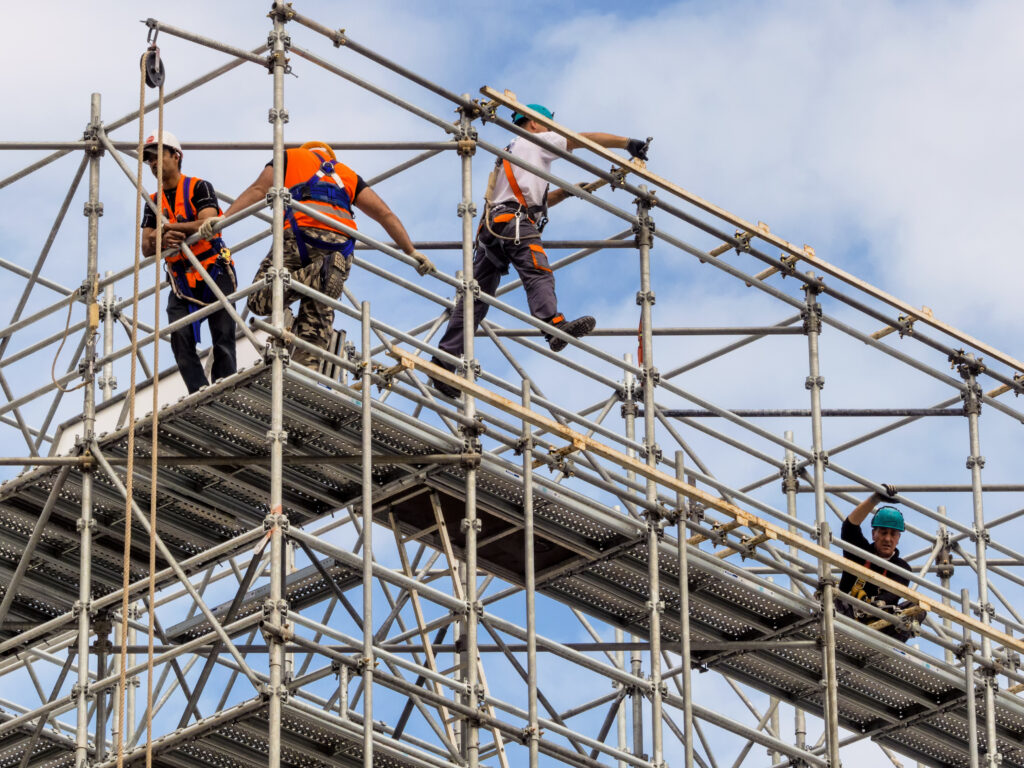
Falls from heights are one of the most serious risks for ironworkers. Ironworkers may work on beams, platforms, scaffolds, lifts, ladders, elevated work areas, and unfinished structures. A fall can cause serious injuries even when fall protection is used.
Fall-related injuries may include:
- Brain injuries
- Spinal injuries
- Broken bones
- Shoulder injuries
- Knee or ankle injuries
- Internal injuries
- Chronic pain
- Psychological trauma
WorkSafeBC identifies falls from elevation as a major source of serious construction injuries and reported more than 1,000 construction workers injured due to falls from elevation in 2024 alone.
If you suffered a head injury or concussion after a fall, read our page on WorkSafeBC brain injury claims.
Struck-By and Falling Object Accidents
Ironworkers often work around cranes, hoists, steel beams, tools, fasteners, construction materials, and mobile equipment. Struck-by accidents can happen when materials shift, loads fall, equipment moves unexpectedly, or workers are exposed to danger zones.
Struck-by accidents may involve:
- Falling steel
- Falling tools
- Dropped materials
- Moving vehicles
- Mobile equipment
- Crane or hoist incidents
- Collapsing materials
- Unstable loads
WorkSafeBC warns that workers on foot being struck by vehicles or mobile equipment is one of the leading causes of serious and fatal workplace injuries. WorkSafeBC has also published incident summaries involving workers seriously injured by falling construction loads and falling tools, which shows how severe these accidents can be.
If WorkSafeBC accepts only part of your injury after a struck-by accident, you may need legal advice before the appeal deadline expires.
Return to Work After an Ironworker Accident
Returning to ironwork after an injury can be difficult. The job may involve heavy lifting, heights, ladders, overhead work, awkward positions, tools, equipment, welding, walking on uneven surfaces, and safety-sensitive duties.
A return-to-work plan should consider:
- Your diagnosis
- Medical restrictions
- Pain levels
- Mobility limitations
- Balance or dizziness issues
- Medication side effects
- Ability to work at heights
- Ability to lift, carry, grip, reach, or climb
- Psychological symptoms, if applicable
- Whether modified duties are actually available
- Whether the duties worsen symptoms
- Whether the work is safe and medically appropriate
Modified duties may be useful if they are realistic and match your restrictions. They can become a problem if they are too demanding, vague, or unsafe.
For more information, read our page on the WorkSafeBC return to work policy and whether WCB can force you back to work in BC.
What If WorkSafeBC Denies Your Ironworker Accident Claim?
If WorkSafeBC denies your claim, you may still have options. A denial may happen because WorkSafeBC does not accept that the accident happened at work, does not accept the medical evidence, or says your ongoing symptoms are not related to the workplace incident.
Common reasons for denial include:
- The accident was not reported right away
- The employer disputes the claim
- Medical records do not connect the injury to work
- WorkSafeBC says the condition is pre-existing
- WorkSafeBC says there is not enough evidence
- WorkSafeBC accepts one injury but denies another
- WorkSafeBC denies ongoing symptoms after initially accepting the claim
- WorkSafeBC says the worker can return to regular duties
If you receive a decision you disagree with, read the decision letter carefully and act quickly.
You have 90 days to appeal WorkSafeBC decisions to the Review Division. You have 30 days to appeal Review Division decisions to WCAT. These are firm deadlines and apply to all decisions.
For help with a denied claim or disputed decision, visit our page on workers’ compensation appeals.
What If Your Benefits Are Cut Off Too Early?
Some ironworker accident claims are accepted at first, but benefits are later reduced, denied, or ended. WorkSafeBC may say you can return to work, that modified duties are suitable, or that your ongoing symptoms are no longer related to the accident.
You may need to challenge a decision if:
- Wage-loss benefits were stopped too soon
- Treatment was denied
- Rehabilitation was cut off
- Your claim was closed while symptoms continued
- Psychological symptoms were not accepted
- Brain injury symptoms were minimized
- Modified duties are unsafe or unrealistic
- WorkSafeBC says your ongoing symptoms are unrelated
- Permanent disability was denied or assessed too low
- Vocational rehabilitation does not reflect your limitations
Any decision affecting your benefits, treatment, return to work, or permanent disability should be reviewed carefully.
You have 90 days to appeal WorkSafeBC decisions to the Review Division. You have 30 days to appeal Review Division decisions to WCAT. These are firm deadlines and apply to all decisions.
Psychological Injuries After an Ironworker Accident

A serious ironworker accident can affect more than the body. Workers may experience anxiety, depression, panic symptoms, nightmares, fear of returning to heights, or PTSD after a traumatic incident.
Psychological symptoms may develop after:
- A serious fall
- A near-fatal incident
- Witnessing another worker get hurt
- Being struck by equipment or materials
- A crush injury
- A serious motor vehicle or mobile equipment accident
- A traumatic rescue or emergency response
- Long-term pain or disability after the accident
WorkSafeBC covers certain mental health injuries that result from workplace incidents, but not every mental health condition qualifies. WCBlawyers.com explains that anxiety, depression, and PTSD may be covered in appropriate WorkSafeBC claims when they result from a workplace injury or occupational disease.
For more information, read our pages on psychological injury WCB claims and WorkSafeBC PTSD claims.
How an Ironworker Accident Lawyer Can Help
An ironworker accident lawyer with WorkSafeBC experience can help injured workers understand the claim process, appeal rights, medical evidence, and return-to-work issues. For workers injured on the job, the main issue is often the WorkSafeBC claim and any related appeal.
A lawyer may help with:
- Denied ironworker accident claims
- Wage-loss benefit disputes
- Treatment denials
- Serious injury claims
- Brain injury or concussion claims
- Psychological injury claims
- Repetitive strain injury claims
- Return-to-work disputes
- Modified duty disputes
- Vocational rehabilitation issues
- Permanent disability decisions
- Review Division appeals
- WCAT appeals
WCBlawyers.com states that the firm represents injured workers navigating WorkSafeBC and WCB appeals and does not act for employers.
When Should You Speak With a Lawyer?
You should consider speaking with a lawyer as soon as WorkSafeBC makes a decision you disagree with. This includes decisions that deny the claim, stop wage-loss benefits, deny treatment, close the claim, reject permanent disability, or require a return to work that does not match your medical restrictions.
You may also want legal advice if:
- You were seriously injured in an ironworker accident
- Your employer disputes what happened
- WorkSafeBC says the injury is not work-related
- Your benefits were cut off too early
- Your treatment or rehabilitation was denied
- You are being pushed back to unsafe duties
- Your brain injury or psychological symptoms were minimized
- Modified duties do not match your restrictions
- Your permanent disability award seems too low
- You are worried about missing an appeal deadline
The earlier you get advice, the easier it may be to protect your claim, gather evidence, and respond before deadlines expire.
Final Thoughts on Ironworker Accidents in BC
Ironworker accidents can cause serious injuries, lost income, long recoveries, and long-term work restrictions. If the accident happened while you were working, you may have a WorkSafeBC claim for wage-loss benefits, medical treatment, rehabilitation, return-to-work support, vocational rehabilitation, or permanent disability benefits.
However, ironworker accident claims can become complicated. WorkSafeBC may deny the claim, accept only part of the injury, cut off benefits too early, deny treatment, or decide that you can return to work before you are medically ready.
If WorkSafeBC makes a decision you disagree with, pay close attention to the deadline.
You have 90 days to appeal WorkSafeBC decisions to the Review Division. You have 30 days to appeal Review Division decisions to WCAT. These are firm deadlines and apply to all decisions.
For help with an ironworker accident claim, denied benefits, return-to-work issue, permanent disability decision, or appeal, contact a WCB lawyer in BC to discuss your options.


